

BACK TO TOP
Back to top

legacy

leap

product design
(©2021 2025)
Scroll Down
Single orange flower on the clear sky background.

Reimagining the Foundation: Launching a Human-Centred Platform for A Centralised admissions service

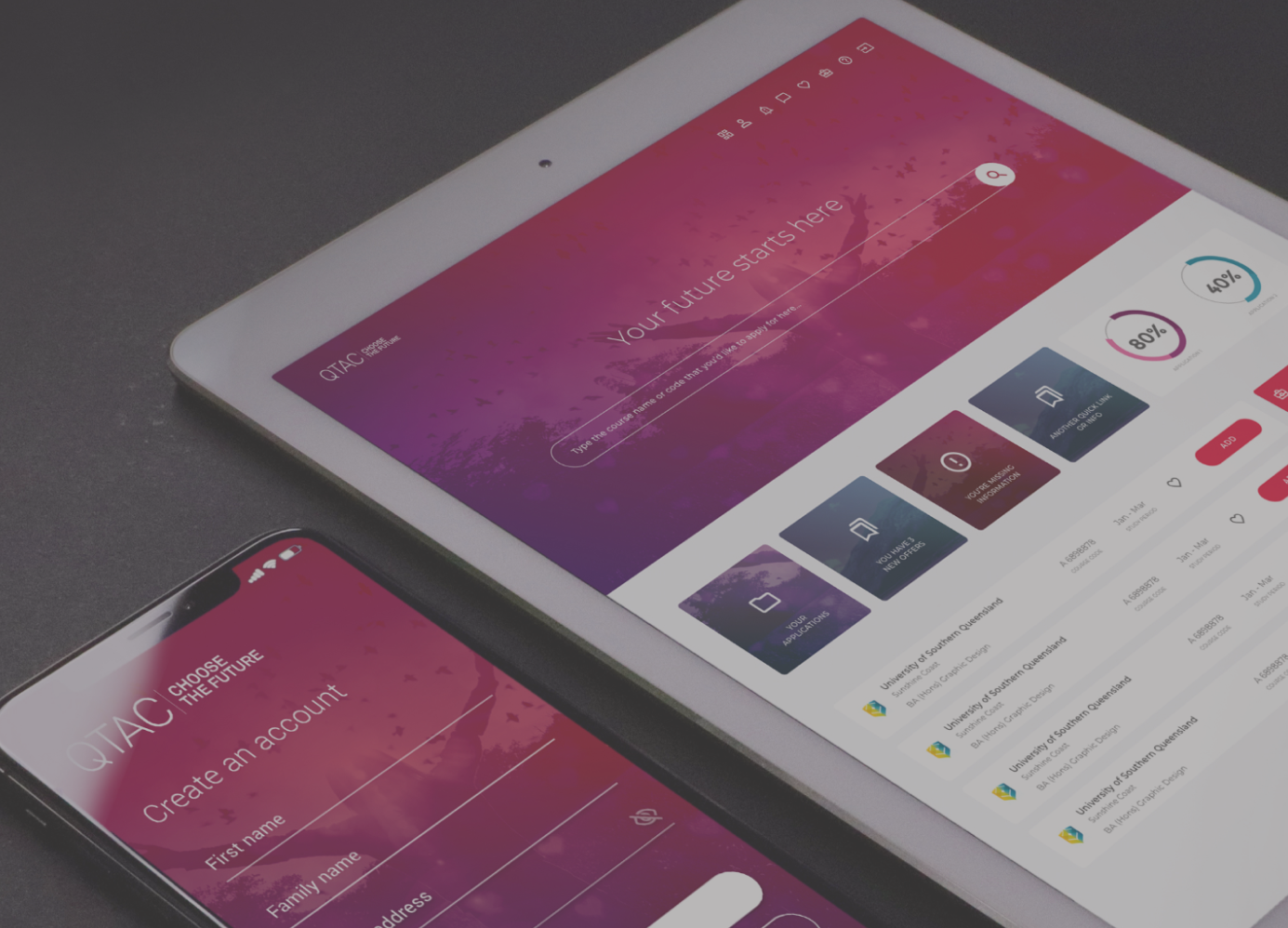
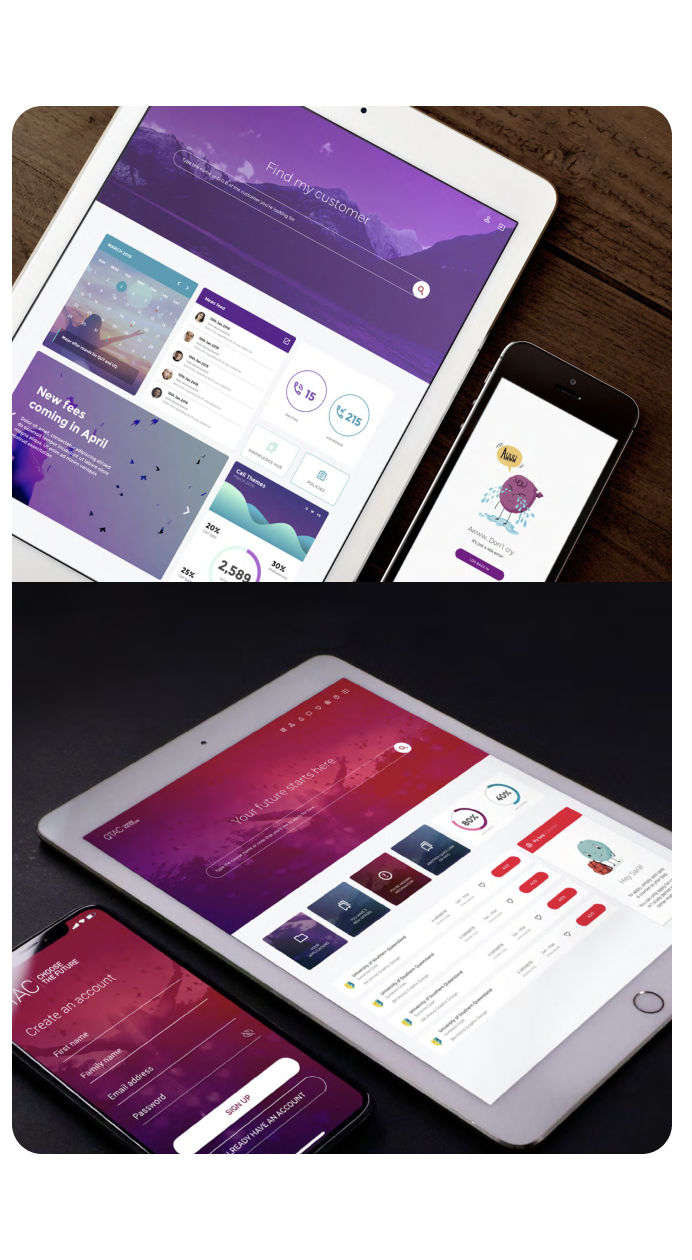
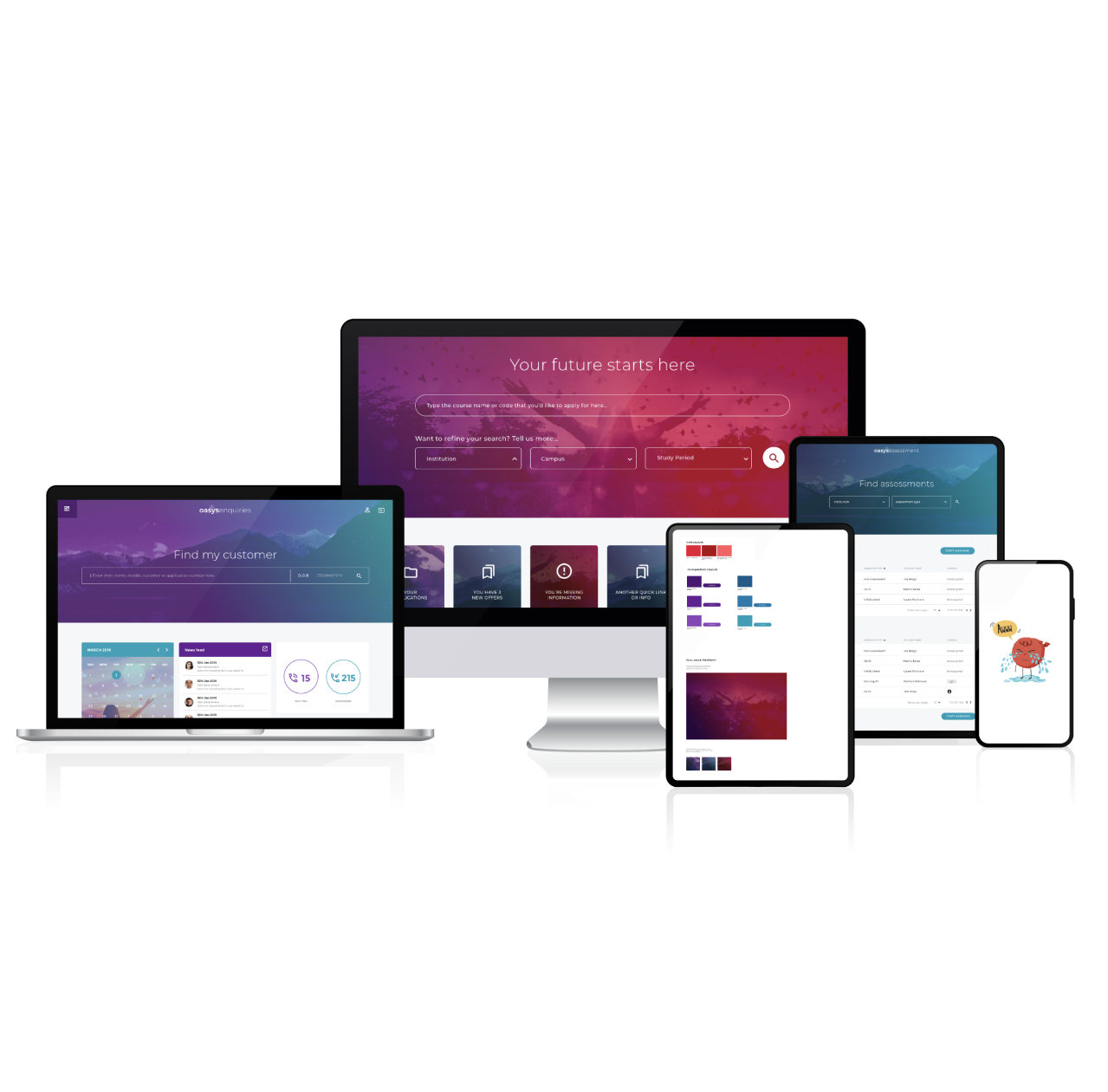
The admissions service operated on two-decade-old legacy software, which severely hindered efficiency and failed to serve its modern user base. This project focused on replacing the outdated system with a contemporary, efficient, and future-proof digital platform. Crucially, the initiative was also designed to introduce and embed a customer-centric mindset which, was a priority the organisation had previously neglected. This ensured all design and development was grounded in human needs.

(01)

product design

My Expertise:

As the Lead UX Designer in a large 25-person Agile team, I successfully secured the project with the winning pitch and led the transformation. Operating with a challenging 1:25 designer-to-team ratio, my expertise spanned intense design leadership and organisational change:

  • Strategic Transformation:
    Successfully guided executives to embrace human-centred design (HCD), shifting the perception of design from a decorative function to a core business strategy.
  • Design & Delivery Leadership:
    Led the end-to-end conceptualisation and design of the complex new platform, ensuring brand cohesion and rigorous alignment across disparate user groups.
  • Cultural Upskilling:
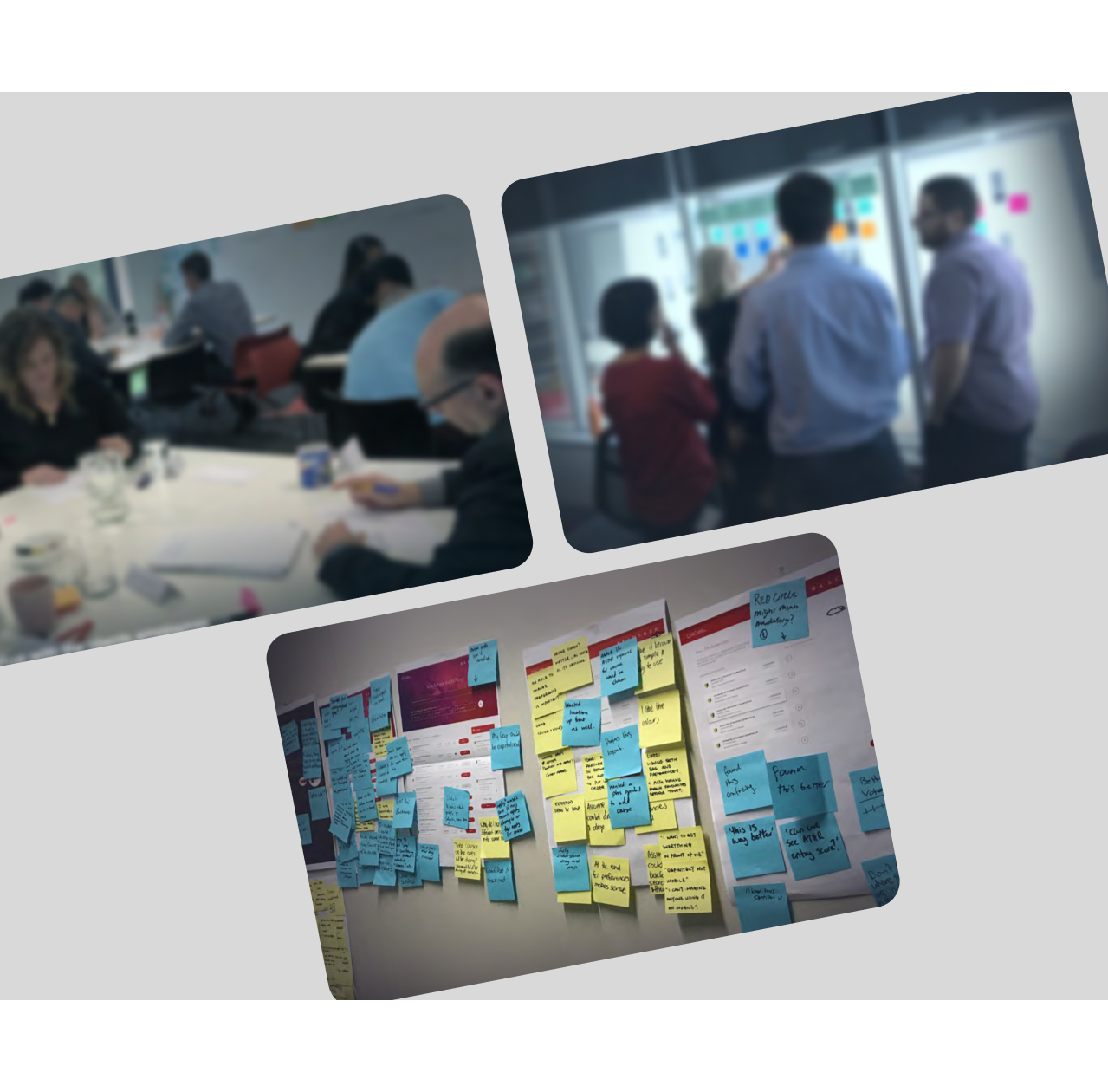
    Devised and executed an "Intensive Research Blitz" to rapidly gather insights, simultaneously training staff volunteers in customer interview techniques to build sustainable, in-house design maturity.
  • Evidence-Based Design:
    Personally conducted extensive customer research, ran usability sessions, and created prototypes to ground every design decision in evidence.

The challenge:
The admissions service faced the dual challenge of managing technical debt from a 20-year-old system while attempting a significant cultural shift. The core problem was: How could we design a future-proof, user-friendly platform that met complex institutional requirements and validated user needs, all while fundamentally transforming the organisational culture towards customer-centricity? The sheer size of the delivery team (25 people) and the lack of existing design maturity compounded the pressure.

The Approach:
Due to the limited time and the 1:25 designer-to-team ratio, a standard approach was not feasible. I introduced and executed an 8-Day Intensive Research Blitz to rapidly gather data and empower the wider team.

Rally for Action:
I successfully communicated that customer insights were non-negotiable for project success, securing buy-in from the delivery, customer engagement, and marketing teams.

Upskilling and Scaling:
I trained enthusiastic client staff volunteers in essential customer interview techniques, pairing them with experienced team members. This collaborative model not only accelerated data collection but directly raised the client’s design maturity and established continuous feedback loops.

Data Collection:
The Blitz yielded rich, actionable data, including 19 one-on-one customer interviews, 305 customer observations, and 1 co-design workshop. This rapid, inclusive approach immediately validated user needs and pain points.

(02)

product design

The Outcome:
The design-led approach resulted in a superior product foundation and a demonstrable, lasting cultural shift across the organisation.

Product Foundation

Delivered a Human-Centred MVP grounded in validated user needs, establishing a solid, future-proof foundation for the new platform build.

Cost Avoidance

Research prevented the development of a costly, executive-advocated feature that was proven to not align with user needs, saving the organisation significant time and resources.

Organisational Shift

The transparent, collaborative research process fundamentally shifted the executives' and staff's perception of design, moving it from decoration to a core business strategy.

Problem Solving

Successfully identified and addressed critical existing customer pain points in the legacy system, ensuring the new platform solved real-world problems rather than internal assumptions.


What people said:

“Emma led design for our largest transformational project, replacing a 20-year-old system with a scalable platform to connect users and clients while boosting efficiency through reimagined processes. In an organisation new to design-led development, Emma skilfully guided executives to embrace customer-centric design. Thanks to her persistent, professional, and patient approach, our organisation now prioritises user focused digital design”.
Sonal Dabari,
Software development manager,